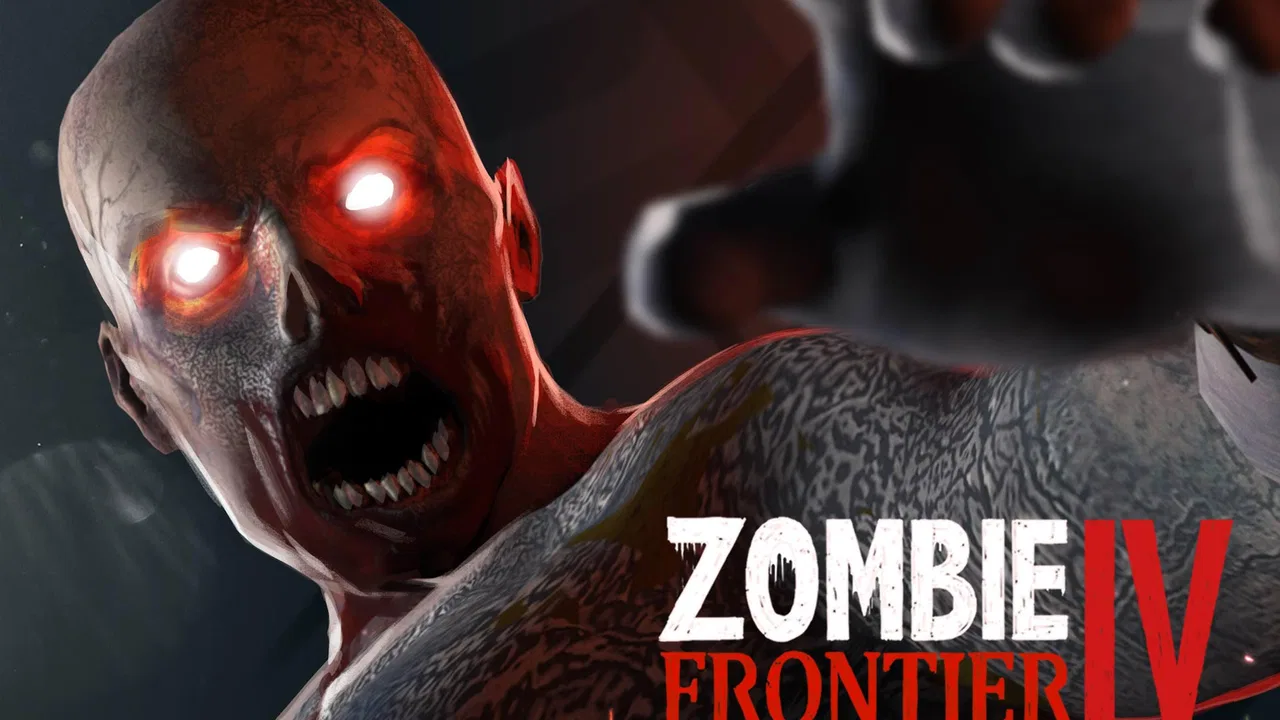
Zombie Frontier 4: Shooting 3D
- 4.6
- Rating
- 10.00M
- Installs
- Free
- Price

 Analysis by App-foxy
I spent time with Zombie Frontier 4: Shooting 3D as a mobile action game, and my first impression was clear: it is built for short, direct bursts of zombie shooting rather than a slow, story-heavy survival experience. The basic appeal is immediate. You aim, fire, manage incoming enemies, and try to stay alive while the pressure rises. That straightforward structure makes it easy to pick up, but it also means the game depends heavily on whether you enjoy repeating combat encounters and gradually improving your equipment.
FT Games places this entry in the Zombie Frontier series as a more modern-looking shooting experience, with the visual presentation doing much of the initial work. The game is free to download, so it is easy to test without committing money at the start. It is also marked for mature players aged 17 and over, which is important because the zombie theme and shooting action are not aimed at children. In my experience, the mature rating feels consistent with the tone: this is not a light cartoon game disguised as an action title.
How the current version feels in everyday play
The current version is 1.10.18, and that matters mainly because a live mobile game is judged by how comfortable it feels after the first few sessions, not only by its opening minutes. I found the core loop easy to understand. A typical session begins with choosing a combat situation, entering an encounter, and concentrating on targets while trying to avoid being overwhelmed. The controls are designed for a phone screen, so the game does not ask me to learn a complicated control scheme before I can enjoy it.
You May Also Like

 Pandora - Music & Podcasts
Pandora’s Music Is Easy to Start, but Harder to Recover
Pandora’s strength is its low-effort path from a seed to a station. Its weak spot is how much confidence it asks you to place in connection, setup, and quiet recovery.

 8 Ball Pool
 Is Built on Rivalries, Rematches, and Routine
A close look at the rivalries, rematches, shared routines, and unanswered safety questions that turn a quick pool match into a persistent mobile community.

 Samsung Music
’s Quiet Strength Is Playing What You Already Own
Its reach comes less from spectacle than from dependable access to a personal library. That simplicity is both the app’s strongest retention engine and its ceiling.

 AccuWeather: Weather Radar
AccuWeather Review: A Quick, Clear Forecast for Everyday Decisions
For everyday plans, the best forecast is the one you can understand quickly. AccuWeather makes rain timing, radar, and local conditions easy to act on, with a few trade-offs.

 Hill Climb Racing
Why Hill Climb Racing Still Turns Crashes Into One More Run
A tiny car, a bumpy hill and one more upgrade: Hill Climb Racing keeps resurfacing because its simple chaos makes every near-miss feel personal.

 AliExpress - Shopping App
AliExpress Makes Global Shopping Feel Personal, but Shoppers Bear the Risk
AliExpress turns a global marketplace into a pocket-sized discovery engine. Its reach is useful, its shopping loop compelling, and its trade-offs easy to miss.
More From Our News Desk
View All News


That simplicity is useful when I have only a few minutes. I can play a stage while waiting for an appointment or during a short break without needing to remember a large collection of commands. The trade-off is that the experience can feel narrow if I want exploration, free movement, or a deep tactical sandbox. The game’s strength is focused shooting, not the feeling of wandering through a fully interactive world.
The three-dimensional presentation helps give each encounter more weight than a basic two-dimensional shooter. Enemies feel like threats approaching through a space rather than icons moving across a flat screen. Still, I would not choose this game primarily as a graphics showcase. Its visual appeal supports the action, but the reason to keep returning is the rhythm of aiming, firing, upgrading, and attempting the next challenge.
One useful habit is to treat every shot as part of a larger decision instead of simply holding the fire button whenever a zombie appears. When several enemies are visible, I pay attention to which one can create the most immediate problem and avoid wasting attention on targets that are not yet dangerous. This is especially helpful when the screen becomes busy. The game rewards calm target selection more than frantic tapping.
A practical session for busy players
For a realistic everyday scenario, imagine opening the game on a commute or during a lunch break. I would recommend starting with one or two focused stages rather than entering with the expectation of a long uninterrupted campaign. Short sessions make the repeated structure easier to appreciate. They also reduce the frustration that can come from playing while distracted, because missed shots and delayed reactions matter more once the action becomes demanding.
I also found it useful to separate two goals: completing a stage and improving the way I played it. If I only chase completion, a difficult attempt can feel like wasted time. If I instead look for better target priority, cleaner aiming, or more careful use of resources, a failed run can still teach me something. That approach is particularly valuable for players who dislike repeating content without a clear reason.
The game is a better match for people who enjoy compact action loops, zombie themes, and gradual progress. It is less suitable for someone looking for a quiet puzzle, a cooperative social experience, or a large open map to explore. Players who prefer a single premium purchase may also feel less comfortable with a free-to-play structure that includes optional spending.
What the series direction means for returning players
The release date of July 7, 2021 places this entry in a later stage of the series rather than at its beginning. That gives it a useful identity: it is trying to present the familiar zombie-frontier idea through a more polished three-dimensional shooting format. For someone who already knows earlier games in the series, the important question is not whether the premise is new. It is whether the presentation and current progression make the familiar formula pleasant enough to revisit.
From my perspective, the evolution is most noticeable in the way the game emphasizes visual immediacy and direct combat. It does not ask me to spend a long time understanding its world before giving me something to shoot. That is a sensible direction for mobile play, where quick access matters. At the same time, the series identity remains tied to a familiar cycle of fighting zombies and becoming stronger, so returning players should not expect a complete reinvention.
The audience response gives the game a useful amount of context. It holds an average rating of 4.6 from around 179 thousand ratings, with roughly 6.4 thousand written reviews and more than 10 million installs. Those figures suggest that the format has reached a substantial audience and that many players find the central loop satisfying. They do not guarantee that every player will enjoy the progression, but they make the game easier to take seriously than an obscure title with little history.
For existing users, the current version is best viewed as a continuation of the same basic promise rather than a reason to expect a different genre. If you liked the series because it offered accessible zombie shooting on a phone, this entry keeps that appeal visible. If you stopped playing because repetition, energy management, or spending pressure bothered you, a newer version alone may not change your mind. Product evolution can improve presentation without removing the underlying trade-offs.
Progression, spending, and the cost of convenience
The game is free, but optional in-app purchases range from $0.99 to $99.99 per item. I would approach that system carefully. The most sensible way to begin is to play without spending, learn how quickly progress feels, and decide whether the game is earning more of your time before considering a purchase. Spending early can make a difficult section feel easier, but it can also hide whether the underlying progression is genuinely enjoyable for you.
My strongest advice is to avoid treating every obstacle as a signal to buy something. First, replay the encounter with a different target order and a more conservative approach. Check whether the problem is weak equipment, careless ammunition use, or simply rushing. In a shooter like this, better decisions can sometimes solve a problem that initially looks like a gear problem. That does not eliminate the appeal of upgrades, but it helps keep optional purchases in their proper place.
This is also where the game differs from many traditional console-style action games. A premium shooter usually asks for payment once and then focuses on the designed campaign. This mobile title is easier to try and more convenient for short sessions, but the free entry comes with a progression model that requires more attention from the player. Neither approach is automatically better. I prefer this format when I want flexibility, while I would choose a paid alternative when I want a predictable experience without thinking about optional purchases.
Players should also consider the mature rating before installing it on a shared family device. The combination of zombies and firearms gives the game a darker tone than a general-audience arcade shooter. For an adult who specifically wants that atmosphere, the rating is a useful warning rather than a problem. For younger players or parents searching for a family-friendly action game, I would skip it.
Small decisions that make the shooting feel better
One non-obvious improvement is to slow down during the opening moments of a stage. I used to react to the first visible target immediately, but taking a brief look at the whole situation often made the rest of the encounter easier. Early awareness helps me identify which enemy deserves attention and prevents the first few shots from being spent without a plan.
A second useful technique is to judge upgrades by the kind of mistake they correct. If I am consistently missing because the action becomes too fast, a damage increase may not solve the real issue. If I am landing hits but failing to finish targets quickly enough, offensive improvement may have more value. Thinking this way makes progression feel less like randomly raising numbers and more like adjusting the tool to my playing style.
A third trade-off concerns session length. Longer sessions can create momentum, but they also encourage impatient play. Once I start firing automatically instead of watching the battlefield, my performance drops. I get better results by stopping after a frustrating attempt, returning later, and treating the next run as a fresh test. That routine is especially useful for players who enjoy improvement but do not want the game to dominate their free time.
Another practical point is device compatibility. The minimum operating system is Android 9, so anyone using an older Android phone should check compatibility before planning around the game. On a supported device, the experience is intended for touch controls, and I would recommend playing with enough screen space to keep aiming comfortable. A small or awkwardly positioned display can make a focused shooter feel more difficult than it really is.
Where the game still falls short
The biggest limitation is repetition. The central pleasure comes from refining shooting decisions, but that same focus can become predictable. Players who need constant mechanical variety may reach the point where the familiar structure no longer feels rewarding. I would not describe that as a flaw for every audience; it is simply the cost of keeping the game immediately accessible.
The free-to-play model is another source of friction. Even when I enjoy the combat, I have to remain aware of the difference between natural progression and convenience purchased with real money. The presence of items priced as high as $99.99 makes budgeting especially important. I would not recommend the game to anyone who is uncomfortable with optional purchase systems or who tends to spend impulsively when stuck.
The game also does not replace a full survival adventure. If your ideal zombie game includes resource scavenging, base construction, open exploration, or a strong narrative relationship with characters, this is probably not the right choice. Its focus is much tighter. I enjoy it when I want to aim and shoot, but I would turn to another category when I want a world that asks me to live in it rather than pass through combat encounters.
Likewise, players seeking competitive multiplayer should look elsewhere. My enjoyment here comes from improving my own performance against the game’s threats, not from comparing reflexes with other people. That makes it less stressful for some players, but it also removes the social tension that keeps competitive shooters fresh for a long time.
What I would watch before committing long term
For new players, I would watch how the first several sessions balance challenge and progression. The key question is simple: do you feel that better decisions are helping, or do you feel pushed toward spending whenever progress slows? Your answer will tell you more than the opening visuals. If the combat remains satisfying while you play for free, the game has a solid chance of becoming a useful short-session action title.
Returning players should watch the direction of future updates through the current version rather than assuming that every update changes the whole experience. The version number shows that the product has continued beyond its initial release, but I would separate that evidence from expectations about future content. A later update may improve the experience, yet the safest reason to return is that you already like the core shooting loop.
I would also pay attention to how your own phone handles longer sessions. A game can feel excellent in a quick test and less comfortable after extended play if the device becomes warm, the screen feels cramped, or your hands tire from maintaining the same grip. These are personal factors, but they matter more in a game built around repeated aiming than they do in a turn-based title.
My recommendation after playing
Zombie Frontier 4: Shooting 3D is a focused mobile action game with a clear audience. I recommend it to adults who want direct zombie combat, quick sessions, and a progression path that gives repeated attempts a purpose. The free entry makes it reasonable to try, and the strong audience response shows that its formula has connected with many players. FT Games has shaped the series around immediate shooting rather than complicated preparation, which is exactly why it can work well during short breaks.
I would skip it if you want a premium, one-time-purchase experience, a deep survival simulation, a large exploratory world, or a competitive multiplayer community. I would also be cautious if optional purchases tend to affect your enjoyment. The game is most rewarding when I treat spending as unnecessary until I have already decided that the combat itself is worth my time.
My final view is positive but measured. The three-dimensional presentation and accessible controls make the zombie action easy to enter, while careful target selection and thoughtful upgrade choices give the loop more depth than the simple premise suggests. Its limits are equally clear: repetition and free-to-play friction can eventually outweigh the fun. Try it as a focused shooter first, not as a complete zombie-survival world. If that compact promise matches what you want from an Android action game, this is a worthwhile free download to test on a compatible device.
FAQs for Zombie Frontier 4: Shooting 3D
01What is Zombie Frontier 4: Shooting 3D?
Zombie Frontier 4: Shooting 3D is a first-person zombie shooter for Android and iOS. You move through infected locations, aim at undead enemies, complete missions, collect resources, and upgrade weapons. The game focuses on short action stages, increasingly difficult zombie encounters, boss battles, and a progression system designed for players who enjoy quick, mission-based shooting rather than a large open-world adventure.
02Is Zombie Frontier 4: Shooting 3D free to download and play?
The game is generally available as a free download, allowing you to start playing without purchasing it upfront. However, it includes optional in-app purchases that can provide weapons, upgrade materials, currency, or other progression advantages. Depending on your play style, you may also encounter advertising or limits related to energy and resources, so completely free progress can require patience and regular play.
03Can I play Zombie Frontier 4 offline?
Some parts of Zombie Frontier 4 may work without a continuous internet connection, but offline availability can vary according to the version, device, and feature being used. Online access may be required for advertisements, account-related functions, events, purchases, updates, or certain modes. If you plan to play while traveling, it is best to test the game after installation rather than assume every feature works offline.
04Does the game require a powerful phone or tablet?
Zombie Frontier 4: Shooting 3D uses detailed 3D environments, animated zombies, weapon effects, and frequent combat, so performance depends on your device. Modern mid-range phones should generally provide a smoother experience, while older or entry-level devices may show longer loading times, reduced frame rates, or occasional stuttering. Keeping free storage available and closing background apps can help improve stability during play.
05Is Zombie Frontier 4 suitable for children?
The game is built around shooting zombies and contains frequent violence, weapon use, frightening creatures, and action-oriented imagery. For that reason, it may not be appropriate for young children, even though the presentation is stylized rather than realistic in every situation. Parents should check the current age rating in their region, review the in-app purchase settings, and consider whether the horror and combat themes suit the intended player.
Pros
- Responsive shooting controls that feel comfortable on touchscreens.
- Wide selection of weapons and upgrade paths to customize your loadout.
- Short missions make it easy to play during quick breaks.
- Detailed zombie models and environments create a convincing atmosphere.
- Regular rewards help maintain progress without requiring constant purchases.
Cons
- Energy limits can interrupt longer play sessions.
- Some weapon upgrades require substantial grinding or premium currency.
- Enemy encounters may become repetitive after extended play.
- Ads and purchase prompts can occasionally disrupt the experience.
- The game requires considerable storage space and a stable internet connection.

Zombie Frontier 4: Shooting 3D
Gallery